Key Takeaways
- Not all light is harmful, but UV light and blue light affect your eyes differently.
- Screens cause eye discomfort mainly because they reduce how often you blink.
- Light sensitivity can be linked to dry eyes, migraines, or eye inflammation.
- Outdoor light supports healthy eye development in children and may slow myopia progression.
- Simple habits like the 20-20-20 rule can reduce daily eye strain.
Your eyes deal with light all day long, from the morning sun coming through your window to the glow of your phone right before bed. It’s easy to take that constant exposure for granted, but different types of light affect your eyes in very different ways. At Southwood Eyecare, the team works with families and professionals who have questions about exactly this, and the answers are more practical than you might expect.
Light itself is not the enemy, but knowing how your eyes respond to it can help you make smarter choices for your long-term eye health. Whether you’re a parent watching your child spend hours on a tablet or a professional logging long screen hours at work, knowing what’s actually happening to your eyes helps you take the right steps. If you’re already noticing symptoms like tired or strained eyes, learning about digital eye strain can help you connect the dots.
The Different Types of Light Your Eyes Deal With Daily
Natural sunlight, screen light, and LED lighting all have different makeups, and your eyes respond to each one differently. Sunlight contains UV rays, which carry more energy and can affect the surface of your eyes and surrounding skin over time. Screens and LED bulbs, on the other hand, produce more blue light and generally less UV radiation.
Blue light and UV light are often mentioned together, but they’re not the same thing. UV light is invisible and largely blocked by the front of your eye, while blue light passes deeper and can affect how awake or tired you feel. Not every source of light puts your eyes at risk, but some types are worth paying closer attention to. You can learn more about how UV light affects your eyes and why consistent sun protection matters over time.
Blue Light & Screen Use: What You Actually Need to Know
What Blue Light Does to Your Eyes
There’s a lot of talk about blue light from screens causing permanent eye damage, but research hasn’t confirmed that link. The amount of blue light your phone or computer puts out is much lower than what you get from natural sunlight on a typical day. So, blue light glasses may not be doing what many people think they are.
Where blue light does have a real effect is on your sleep. When you scroll through your phone late at night, blue light slows down your body’s melatonin production, which is the hormone that helps you fall asleep. This doesn’t damage your eyes directly, but poor sleep has its own ripple effects on how your eyes feel and function the next day.
The Real Reason Screens Cause Eye Discomfort
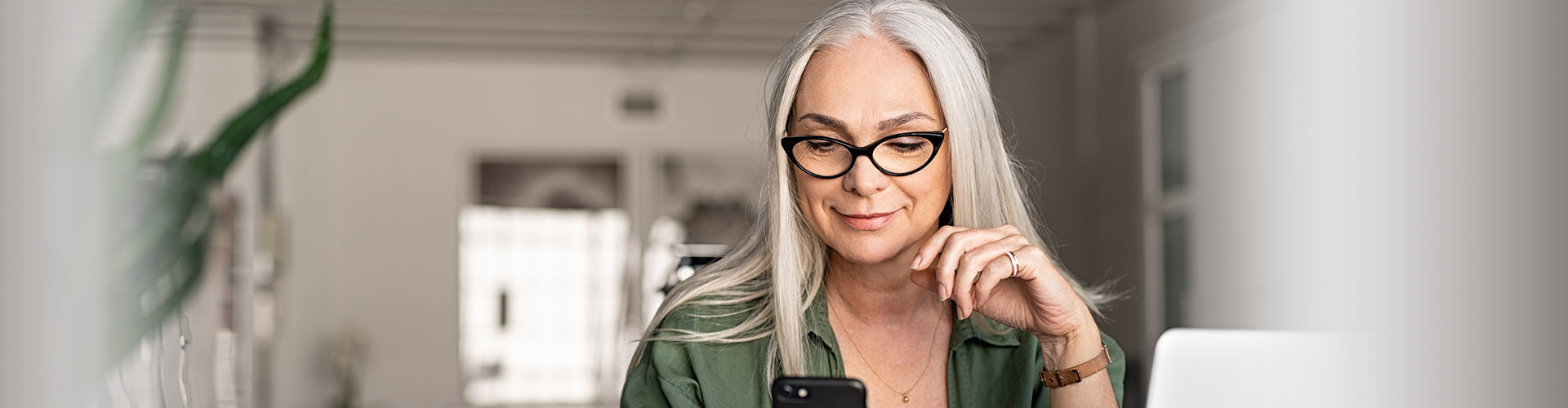
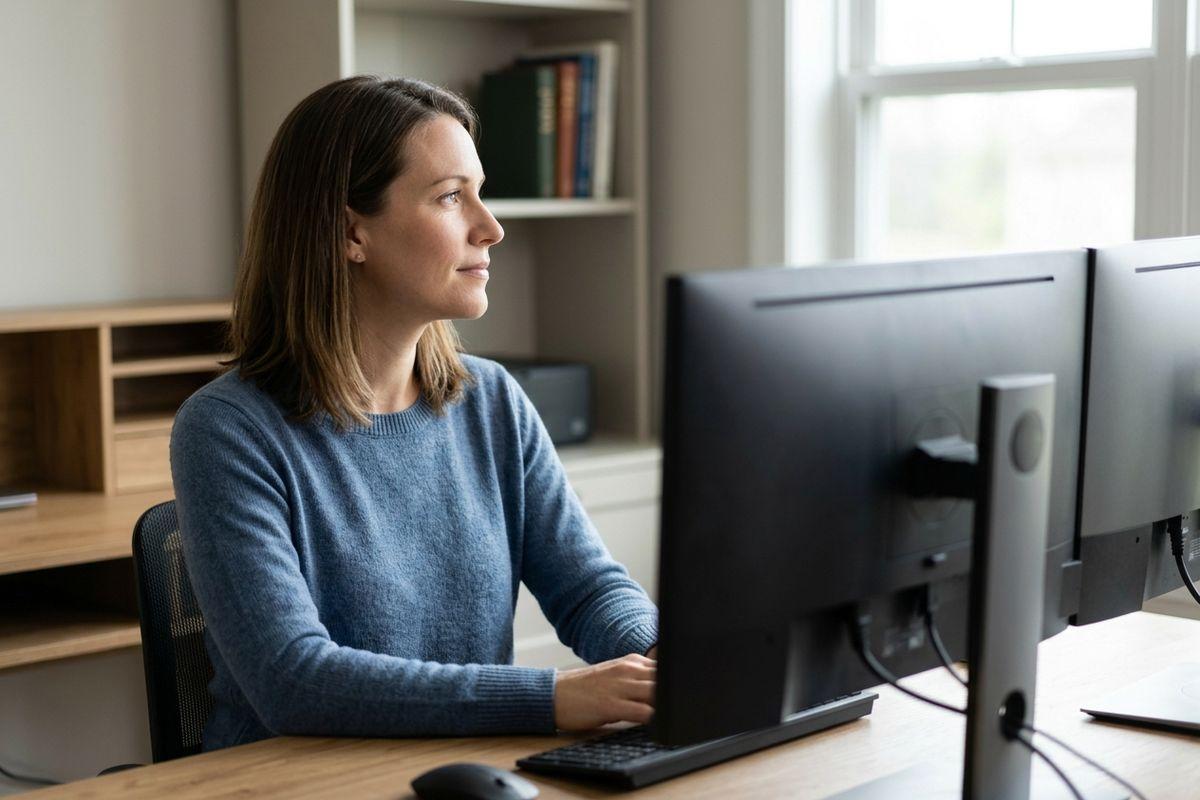
If your eyes feel tired, dry, or blurry after a long day at your screen, it’s likely not the blue light causing it. When you look at a screen, your blink rate can drop to about half of what it normally is. Blinking is what keeps the surface of your eyes moist and refreshed, so when you blink less, your eyes dry out faster.
Over time, this pattern of reduced blinking leads to a condition often called digital eye strain. Your eyes may feel gritty, look red, or have trouble focusing clearly by the end of the day. If this sounds familiar, an eye doctor can help figure out what’s going on and suggest a plan that works for you. The American Optometric Association outlines why this happens and what to watch for.
Light Sensitivity: When Bright Light Hurts Your Eyes
Signs Your Eyes React Strongly to Light
Some people walk outside on a sunny day and immediately squint, feel pain, or get a headache. Others notice their eyes water or their vision blurs in brightly lit rooms. These reactions can range from mild discomfort to something that genuinely gets in the way of daily life.
Light sensitivity, sometimes called photophobia, isn’t just about preference. It’s a signal that something else might be affecting your eyes. Paying attention to when and where it happens can give an optometrist helpful clues about what’s going on underneath the surface. In some cases, frequent squinting is one of the early signs worth paying attention to.
Common Factors Behind Light Sensitivity
Dry eyes are one of the most frequent reasons people become more sensitive to light, and dry eye treatment options can make a noticeable difference for many people. Migraines and eye inflammation are also common factors that can make bright light feel unbearable. The good news is that light sensitivity is often manageable once the underlying cause is identified.
Rather than assuming it’s just how your eyes are, it’s worth getting them looked at. The right treatment approach can help reduce sensitivity and make daily activities a lot more comfortable.
How Light Exposure Affects Kids’ Eye Health
Screen Time & Myopia in Children
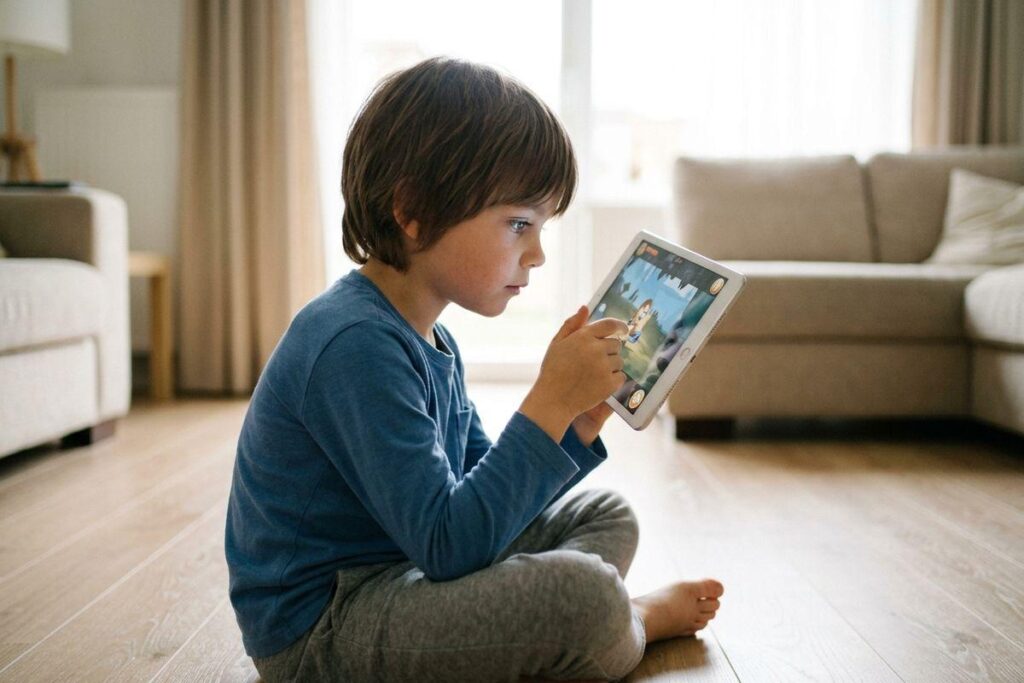
Children today are spending more time indoors than any previous generation, and that shift has a connection to rising rates of myopia, also known as nearsightedness. When kids spend long stretches doing close-up work, whether on a screen or with books, their eyes adapt in ways that can lead to faster myopia progression.
Myopia control options are available to help slow that progression. Your optometrist can assess your child’s vision and discuss treatments that fit their age and lifestyle, which can help protect their eyesight as they grow. You can explore myopia control options to get a clearer picture of what’s available.
The Role of Outdoor Light for Young Eyes
Natural light does something screens simply can’t replicate. Exposure to outdoor light supports healthy eye development in children, and research points to time spent outside as a factor that may slow the progression of nearsightedness. Even an hour or two outdoors each day can add up over time.
Encouraging outdoor play isn’t just good for overall health, it’s one of the more straightforward things you can do for your child’s vision. It doesn’t require a special device or a prescription, just some time away from the screen and into the daylight. For more on how vision develops in young children, children’s eye exams are a good starting point to stay on top of any changes.
Simple Habits That Help Protect Your Eyes from Light Strain
The 20-20-20 Rule
If you spend a lot of time on screens, this habit is worth building into your day. Every 20 minutes, shift your gaze to something about 20 feet away and hold it there for 20 seconds. It gives your eye muscles a chance to relax and encourages your eyes to blink more naturally. Here’s a closer look at why the 20-20-20 rule works and how to make it a consistent part of your routine.
It sounds simple because it is. You don’t need any special equipment, just a reminder on your phone or a sticky note on your monitor. Over time, this small break can reduce the tired, heavy feeling that builds up during long hours of near work.
Everyday Adjustments That Make a Difference
Switching your devices to night mode after sundown can help reduce blue light exposure during the hours when it affects your sleep the most. When you’re spending time outside, wearing UV-protective lenses helps shield your eyes from sun exposure that adds up over the years. These small adjustments don’t take much effort but can have a meaningful impact on how your eyes feel day to day.
If you’re dealing with light sensitivity, frequent eye strain, or concerns about your child’s vision, the team at Southwood Eyecare can help. Our Calgary eye doctor can assess your specific situation and recommend a care plan that fits your needs. Book an appointment and take a closer look at what your eyes are telling you.