
Key Takeaways
- A retinal tear is a small break in the thin layer at the back of your eye, often linked to natural aging.
- Watch for new floaters, flashes of light, or a shadow across your vision.
- Some low-risk tears can seal on their own, but most need a look from an eye doctor.
- Laser and freezing treatments can seal a tear during a short office visit.
- Routine eye exams help you catch changes early.
Experiencing sudden flashes of light or new floaters can be unsettling, often leaving you wondering what is happening within your eye. These symptoms are sometimes indicators of a retinal tear, and understanding how to manage them is key to protecting your vision.
At Southwood Eyecare, our team frequently addresses these concerns and is here to guide you through the process. While most retinal tears do not heal on their own, some minor, low-risk cases may stabilize without intervention. However, because every situation is unique, it is essential to have an eye doctor evaluate any new symptoms promptly.
If a tear progresses into an urgent issue, immediate professional care can make a significant difference in your long-term eye health.
What Is a Retinal Tear?
Think of the retina as the delicate, light-sensing film lining the back of your eye. A retinal tear occurs when a small break or split forms in this tissue.
These tears are most often the result of natural, age-related changes. As we get older, the gel-like substance inside the eye naturally shrinks; as it pulls away, it can tug on the retina, potentially creating a small opening.
Recognizing the Warning Signs
Your eyes often provide early warning signals before a minor issue becomes significant. It is important to pay close attention to any sudden or unexplained changes in your vision, such as:
- New floaters: A sudden onset of spots or debris drifting across your field of vision.
- Flashes of light: Seeing quick flickers or streaks of light, especially in your peripheral vision.
- A “curtain” effect: The appearance of a shadow or dark veil creeping into your side vision.
If you notice any of these symptoms, please contact an eye doctor immediately for a same-day evaluation.
Can a Retinal Tear Heal Without Treatment?
You might wonder if a retinal tear can resolve on its own, but the answer depends entirely on the size and location of the break. While some small, low-risk tears may occasionally stabilize as the body forms natural scar tissue to hold the area in place, it is impossible to determine if a tear falls into this category without a professional exam.
Because the consequences of an undetected issue can be serious, it is important not to assume a tear will heal without intervention. The primary risk of leaving a tear untreated is that fluid can seep through the opening and pool behind the retina. As this fluid accumulates, it can cause the retina to pull away from the back of the eye, leading to a condition known as retinal detachment.
Catching a tear early is the most effective way to prevent further complications and protect your long-term vision; if you suspect you have a tear, please schedule an appointment promptly so your eyes remain healthy and protected.
How an Eye Doctor Treats Retinal Tears
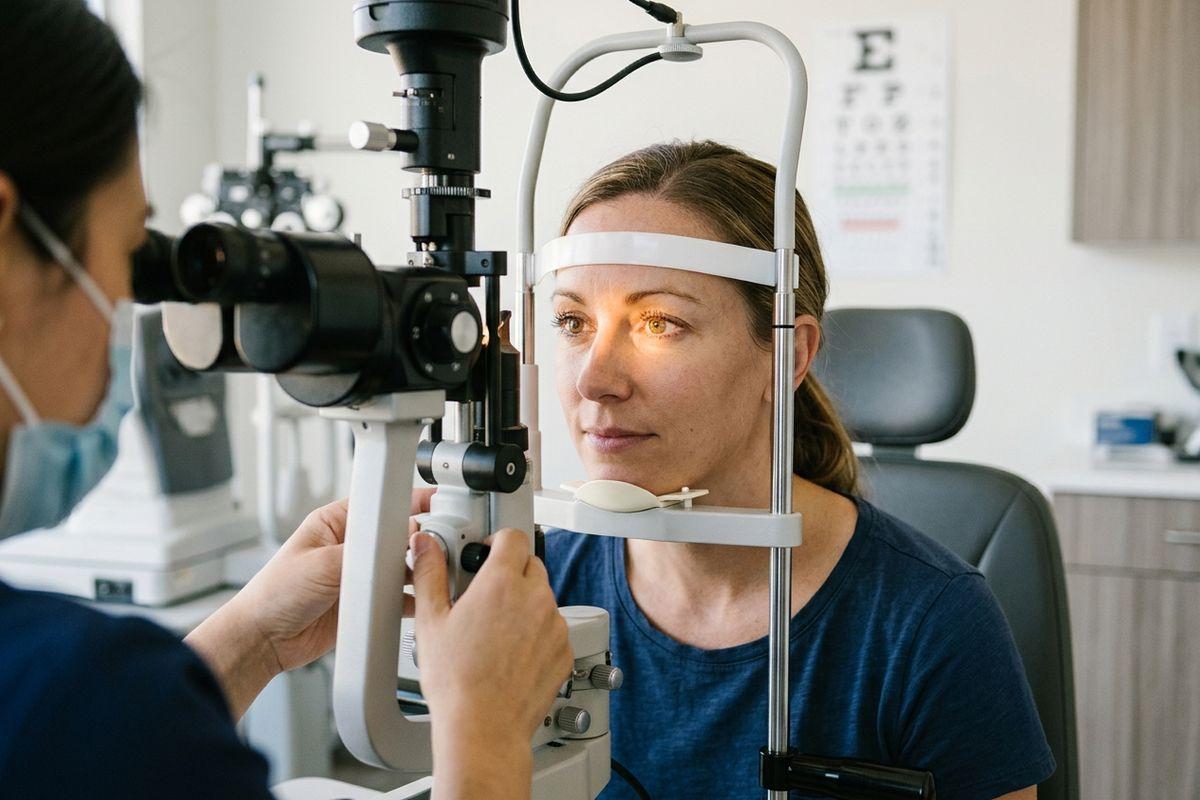
If your optometrist detects a retinal tear, they will refer you to an ophthalmologist or retinal specialist for treatment. The specialist will assess the tear and determine the most appropriate treatment based on its location, size, and appearance.
How to Protect Your Vision Long Term
Small habits go a long way toward keeping your eyes healthy for years. A little planning now can help you spot changes before they turn serious.
- Book routine eye exams in Calgary so your eye doctor can check your retina before symptoms appear.
- Ask about myopia control for your kids, since high myopia can carry a higher chance of retinal changes later.
- Report any new floaters, flashes, or shadows right away rather than waiting to see if they fade.
Take Care of Your Vision
At Southwood Eyecare, our team is ready to check your eyes, answer your questions, and guide you through your options. Book your appointment with a Calgary optometrist today and give your vision the attention it deserves.