
Key Takeaways
- Red eyes can happen when tiny blood vessels on the eye’s surface widen.
- Common reasons include pink eye, dry eye, too much screen time, lack of sleep, and eyelid problems.
- Redness in only one eye can point to a scratch, an eyelid bump, or bacterial pink eye.
- Eye pain, blurred vision, and light sensitivity are signs to book an eye exam right away.
- Treatment depends on the cause of the redness, so an eye exam helps guide the next step.
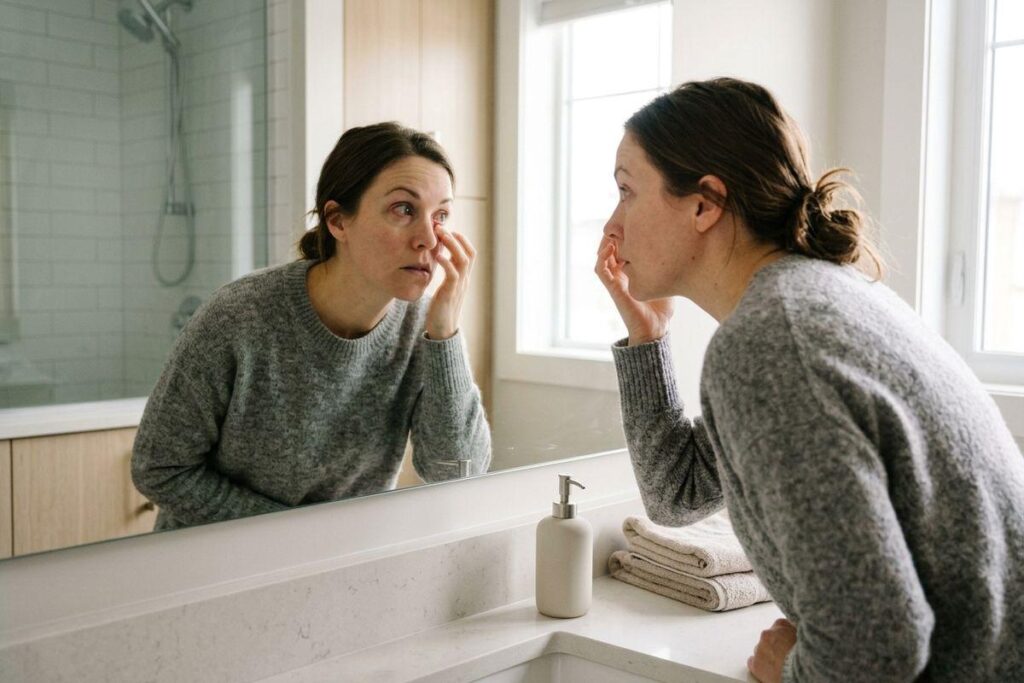
You glance in the mirror before work and notice your eyes look pink, tired, or bloodshot. At Southwood Eyecare, we know this can make some people feel worried, but we’re here to help you sort out what’s going on and what to do next.
Red eyes can happen when tiny blood vessels on the surface of your eye widen, and the cause can range from minor irritation to a condition that needs treatment. If dryness plays a role, we offer dry eye treatment in Calgary to help you feel more comfortable.
What Causes Red Eyes?
The white part of your eye, called the sclera, is covered in tiny blood vessels. When they widen, more blood shows up on the surface, which can make your eye look red or pink.
Pink eye, dry eye, long days on screens, and eyelid problems can all cause your eyes to look red, which is why determining the reason is so key to finding relief. A Calgary eye doctor can help you find the cause and then guide your treatment.
Common Causes
Conjunctivitis (Pink Eye)
Pink eye comes in a few types. It can be viral, bacterial, allergy-related, or linked to an irritant.
Viral and bacterial types can spread to other people, but allergic pink eye isn’t contagious. Knowing which type you have is the first step to relief, since each one has a different treatment plan. If you think you may have pink eye but aren’t sure what’s causing it, wash your hands frequently and avoid sharing personal items (like towels) with family members while you wait for your eye appointment.
Dry Eye and Daily Habits
Picture finishing a long day at your laptop. By the time you get to the mirror, your eyes are stinging, and they even look a little pink. Long screen time and lack of sleep can leave your eyes tired and red.
Dry eye is also a common cause of redness. Dryness can irritate the eye, which can cause that red look. If this feels familiar, an eye exam can help you see what fits your situation. From there, your eye doctor can recommend dry eye treatments that fit your situation and individual needs.
Dry eye treatment isn’t limited to artificial tears or at-home remedies. At Southwood Eyecare, we offer several advanced treatment options to help address different causes of dry eye, including:
- Radiofrequency (RF): Uses controlled heat to support the function of the meibomian glands and improve the quality of the oily layer of your tears.
- Intense Pulsed Light (IPL): Uses gentle pulses of light to help address inflammation around the eyelids and improve meibomian gland function.
- Jett Dry Eye Treatment: Uses targeted energy to help stimulate the glands around the eyelids and support healthier tear production.
- LipiFlow: Uses controlled heat and gentle pressure to help clear blockages in the meibomian glands, supporting the release of natural oils into your tears.
- BlephEx: A specialized eyelid cleaning treatment that removes debris and buildup along the eyelid margins, helping manage eyelid inflammation and improve eyelid hygiene.
Not every treatment is right for every patient. Our team can assess your tear film, eyelids, and overall eye health to determine which options may be most appropriate for your needs.
Eyelid and Surface Problems
Sometimes the problem sits on or around the eye itself. The following are some examples:
- Eyelid inflammation, styes, or a chalazion can make the eye look red.
- Scratches or infections on the clear front of the eye (the cornea) can lead to redness.
- Contact lens products or lens wear can irritate the eye.
What Does It Mean if Only One Eye Turns Red?
One red eye can have a few common causes. Bacterial pink eye often starts in one eye before spreading to the other. A scratch, an irritant, or something stuck in the eye can also lead to redness on one side. An eyelid bump or infection can do the same.
If you have redness in only one eye, avoid touching or rubbing it to prevent spreading germs or further irritating it.
When Are Red Eyes a Sign of Something Serious?

Signs to Watch For
Redness alone is often nothing to worry about. However, if your redness comes with certain symptoms, you should see a Calgary optometrist promptly. Watch for these signs:
- Eye pain, or pain that worsens with reading
- Blurred vision
- Light sensitivity
- Vision changes
Treatment for Red Eyes
Simple Steps at Home
For mild redness, a few habits can help you feel more comfortable. Try these steps:
- Use artificial tears and clean, cold compresses to help calm irritation at home.
- Avoid known allergens and irritants.
- Rest your eyes and take screen breaks.
Allergy-related redness may respond to antihistamine (anti-allergy) drops. Bacterial infections may be treated with antibiotic drops, which can help. The right choice depends on what’s behind your symptoms, which is why we always recommend you start with an eye exam.
Come See Our Team
If your eyes are red and you want answers, Southwood Eyecare is here to help. Book an eye exam with our team and take the next step toward more comfortable eyes.