
Key Takeaways
- Blurry vision, squinting, and holding things at arm’s length can signal a change in your vision.
- Headaches, tired eyes, and double vision may be signs that your eyes are working harder to focus.
- You can have 20/20 vision and still experience eye strain.
- An eye exam with a Calgary optometrist checks your vision, eye function, and overall eye health.
- Kids, professionals, and anyone experiencing vision changes can benefit from an eye exam.
You catch yourself squinting at a menu in dim restaurant lighting, or you push your phone a little farther away to read a text. Small habits like these are easy to shrug off. At Southwood Eyecare, our team often sees patients who have noticed these signs for a while before booking an eye exam.
You may need glasses if you squint, get headaches after reading, or find that things look blurry up close or far away. A visit to a Calgary optometrist can help determine what’s going on, and kids with changing vision may also be a fit for myopia control at the clinic.
What Are the Common Signs You Need Glasses?
Signs You Notice Day to Day
Some signs show up in everyday moments. You might notice them when you read, scroll, or look across a room.
Watch for these signs:
- Blurry vision up close or far away
- Squinting at signs, menus, or screens
- Holding phones or books at arm’s length
Signs You Feel in Your Body
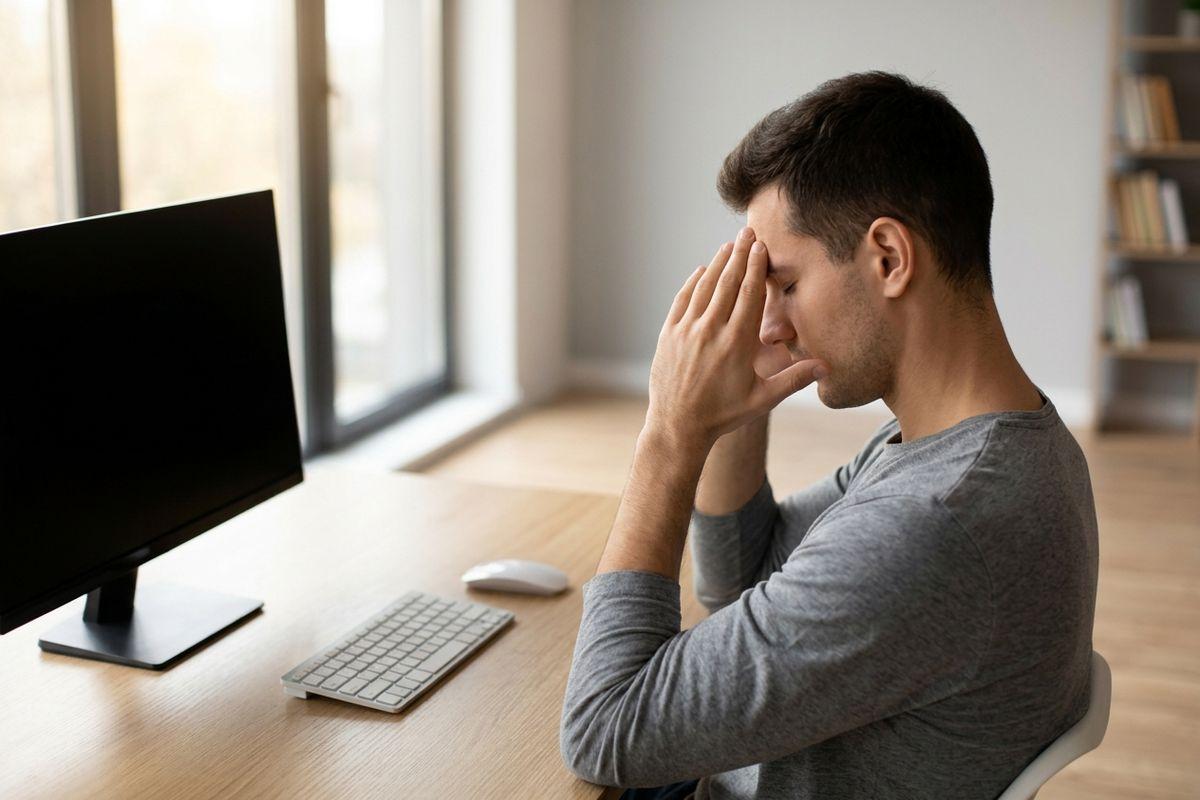
Vision changes can sometimes cause physical discomfort, especially when your eyes are working harder to focus. You may notice:
- Headaches after reading or screen time
- Tired, heavy eyes by the end of the day
- Eye strain or discomfort
- Double vision
Why Do Vision Changes Sneak Up on You?
Vision changes often happen slowly. Because the changes can be gradual, you may not notice them right away.
It’s also easy to blame stress or a poor night’s sleep when your eyes feel tired. Night driving may feel harder first, with road signs and headlights looking less sharp than they used to.
What May Contribute to Your Blurry Vision?
Nearsightedness and Farsightedness
With nearsightedness, distant objects look blurry while close-up objects remain clear. You might read a book with ease but struggle to see the whiteboard or a street sign.
With farsightedness, close-up work may feel tiring or blurry. Reading or computer work can leave your eyes feeling strained or fatigued.
If your child struggles to see far away, myopia control may be part of the conversation during their eye exam.
Astigmatism and Age-Related Focus Changes
Astigmatism can make things look blurry at various distances and may cause eye strain or headaches.
Small print often gets harder to read as you enter your 40s due to a common age-related change called presbyopia. Reading glasses or other prescription lenses can help provide clearer vision for close-up tasks like menus, labels, and books.
Can You Have 20/20 Vision and Still Need Glasses?
A 20/20 result means you can see clearly at a specific testing distance, but it doesn’t tell the whole story about how your eyes function.
Close-up focus and eye strain can still cause discomfort. You might read an email and feel your eyes become tired or strained by mid-afternoon.
Many people also wonder whether eyesight can improve without glasses. An optometrist can check how your eyes focus and talk through options that fit your daily routine.
When Should You See a Calgary Optometrist?
What Happens at Your Eye Exam
During a comprehensive eye exam, your optometrist checks your vision, how your eyes work together, and your overall eye health. If vision correction is needed, they can also determine the prescription that provides you with clear, comfortable vision.
From there, you can talk through options for glasses or contact lenses based on your vision needs and lifestyle.
Who Should Book a Visit
Consider booking an eye exam if you notice changes in your vision or experience symptoms such as:
- Trouble seeing the board at school
- Screen-related eye strain or headaches
- Blurry vision up close or far away
- Difficulty seeing clearly while driving, especially at night
- New or persistent changes in your vision
If your symptoms persist or you notice a change in how clearly or comfortably you see, it’s a good time to book an eye exam.
Southwood Eyecare welcomes families and professionals looking for comprehensive, personalized eye care in Calgary. Book your eye exam today and take the first step toward clearer, more comfortable vision.