
Key Takeaways
- Stress sets off a fight-or-flight response that can change how your eyes focus and react to light.
- Blurry vision, twitching, dry eyes, and light sensitivity often show up during stressful stretches.
- Most stress-related vision changes fade with rest, sleep, and short breaks from screens.
- The 20-20-20 rule can ease strain during long reading or computer sessions.
- An eye exam with your optometrist can rule out concerns and point you toward the right care.
Busy workdays, packed family calendars, and hours of screen time can wear you down, and that pressure can show up in your eyes too. You might notice blurry moments, a twitching lid, or a dull ache behind your brow after a stressful week. Our team at Southwood Eyecare sees these concerns often, and there are simple ways to find relief.
Yes, stress can affect your vision, though most stress-related changes are temporary and tend to settle once your body rests and recovers. If symptoms linger, an eye exam can check that everything is healthy.
How Stress and Your Eyes Are Connected
When you feel pressure at work or juggle a packed family schedule, your body shifts into fight-or-flight mode. Your heart beats faster, your muscles tighten, and your pupils widen to let in more light. That reaction helped your ancestors spot danger, and it still switches on today, even over a looming deadline.
Two hormones drive this response. Cortisol and adrenaline flood your system, which can leave your eyes feeling tense and tired. A quick jolt of stress usually passes without a trace. Long stretches of stress, however, can keep those hormones elevated, and that steady tension can start to affect how comfortably you see.
Common Vision Changes Linked to Stress
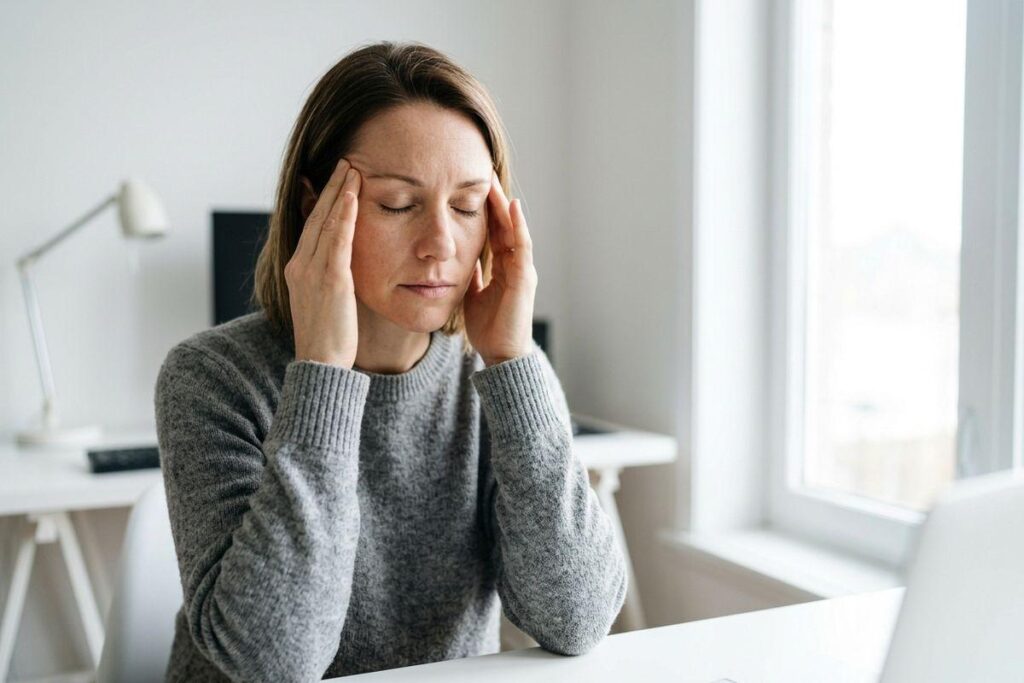
Stress can show up in your eyes in ways you might not expect. You may notice blurry patches, extra sensitivity to bright light, or a nagging ache behind your eyes after a long day. Some people get a fluttering eyelid that won’t quit, while others deal with eyes that feel dry one hour and watery the next. A few may even notice more pronounced tiny floaters drifting across their view.
Can Stress Lead to Blurry Vision and Headaches?
Tension in your jaw, neck, and forehead can pull on the muscles around your eyes. That strain can blur your focus and set off a headache at the same time. If you already have presbyopia, the natural change that makes close-up reading harder after age 40, and stress can make those blurry moments feel worse.
How Long Do Stress Vision Changes Last?
Most of these changes are temporary. Once you rest, sleep well, and step away from the screen, your vision often settles back to normal. Pay attention if symptoms stick around for days or keep returning. Ongoing blurriness, pain, or sudden floaters are worth a closer look from your eye doctor.
Near Point Visual Stress from Screens and Reading
Close-up tasks ask a lot from your eyes. When you read, scroll, or type for hours, the focusing muscles inside your eyes stay locked at one short distance. That constant effort is called near point visual stress, and it can leave your eyes feeling worn out.
Students powering through homework and professionals staring at spreadsheets both run into this. The signs are easy to spot once you know them:
- Words start to swim or double after a while.
- Your eyes ache or feel heavy near the end of the day.
- You catch yourself squinting or rubbing your eyes.
- Headaches build up during or after close work.
When these signs show up often, your eyes are asking for attention.
Simple Ways to Ease Stress and Protect Your Eyes
Small habits can take real pressure off your eyes. Slow, deep breaths help calm your nervous system, and a short walk moves that tension out of your body. A solid night of sleep often gives your eyes the reset they need.
The 20-20-20 rule keeps screen strain in check. For every 20 minutes of screen time, look at something 20 feet away for 20 seconds. That quick pause lets your focusing muscles relax before they tire out.
It also helps to ease off the extras that keep you wired. Too much caffeine can leave you jittery, and endless social media scrolling adds both stress and screen time. Trading part of that habit for a book or a chat with your kids gives your eyes and your mind a breather.
How We Can Help
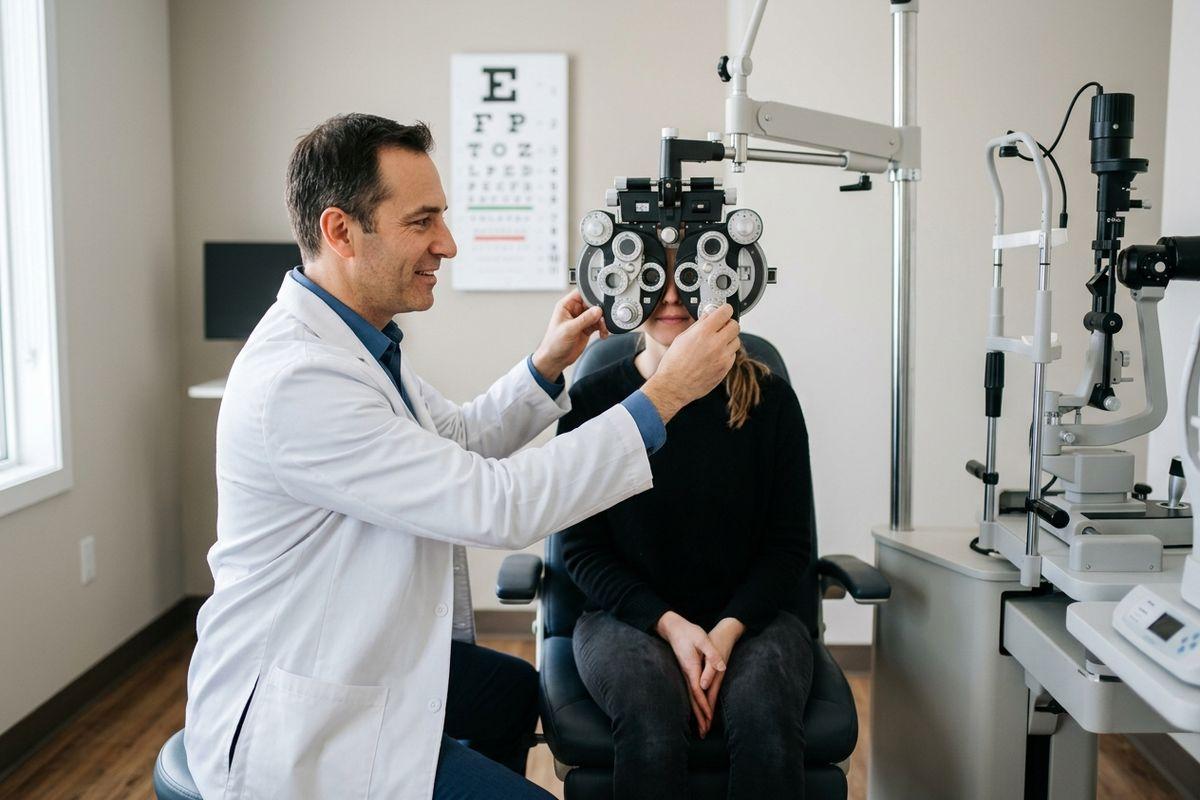
Sometimes rest and good habits aren’t quite enough, and that’s when an eye exam makes sense. A full eye exam can rule out other reasons for your symptoms and confirm what your eyes really need.
Your eyes carry you through busy, stressful days, so give them the care they deserve. Our team at Southwood Eyecare can help you find comfort and clarity again. Book your eye exam today and take the first step toward eyes that feel as calm as you want to.