

Do your eyes ever feel tired or strained after a long day of reading, computer work, or scrolling on your phone? Maybe you’ve noticed moments of double vision, blurred focus, or headaches that seem to start behind your eyes. These symptoms can often be traced back to how your eye muscles are working together.
Each of your eyes relies on six small muscles that move in perfect coordination to control focus, alignment, and tracking. When these muscles are balanced and working smoothly, both eyes point in the same direction and your brain combines their input into one clear image. But if even one muscle is overworked or misaligned, your eyes must strain to stay focused, leading to fatigue, eye pain, or difficulty concentrating.
Eye muscle coordination affects far more than just visual comfort. It influences your depth perception, hand-eye coordination, and ability to shift focus quickly between near and distant objects. These are skills you rely on constantly, whether you’re driving, reading, or using digital devices. When these muscles fall out of sync, it can impact how efficiently you process visual information throughout your day.
What Eye Alignment Means for Your Vision Needs
Eye alignment refers to how well your eyes point in the same direction and work as a team. Six muscles control each eye’s movement, and your brain coordinates these muscles to help you see clearly at different distances.
When your eye muscles coordinate properly, you get single, clear vision and accurate depth perception. This teamwork allows you to switch focus smoothly between your computer screen and documents on your desk, or from your dashboard to road signs while driving.
Signs that your eyes may not be working together include frequent headaches, closing one eye to see better, tilting your head to focus, or experiencing tired eyes after reading or computer work. These symptoms often indicate your eye muscles are working harder than they should to maintain clear vision. If you notice frequent squinting, this may also signal underlying alignment problems.
How Your Eye Muscles Work Together
Each eye has six muscles that control its movement in different directions. These muscles work in pairs. When one muscle contracts, its partner relaxes to create smooth, coordinated eye movements.
Your brain sends signals to these muscles hundreds of times each day, telling them exactly how to position your eyes for clear focus. This coordination happens automatically, much like how you don’t think about walking, your muscles just respond to your brain’s commands.
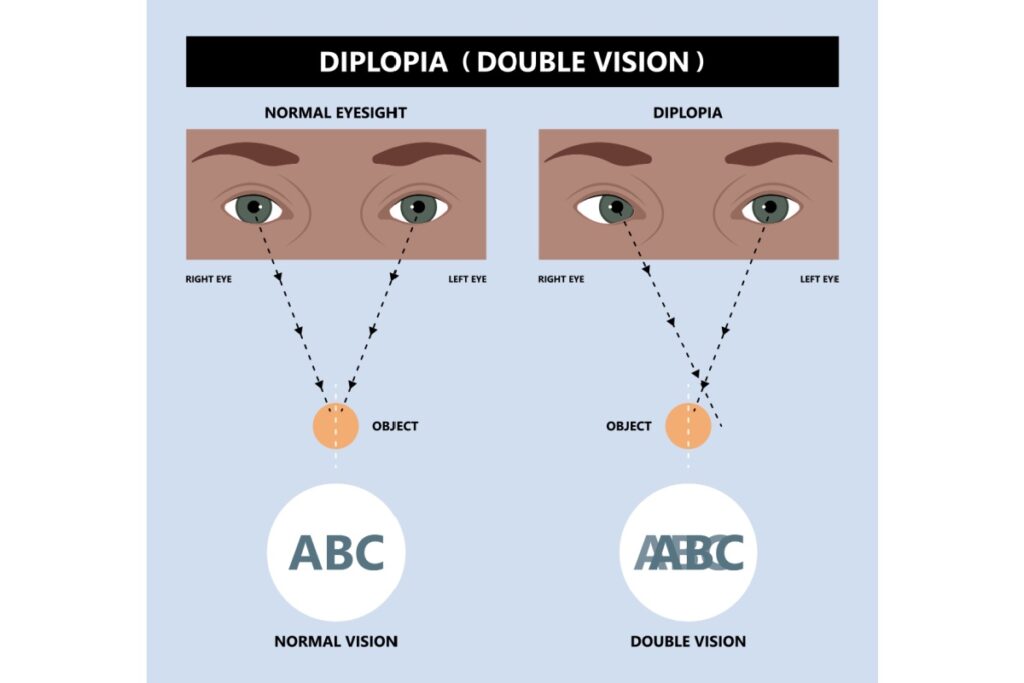
When these muscles don’t coordinate properly, you might see double images, struggle with depth perception, or feel like your eyes are fighting against each other. This misalignment can make simple tasks like threading a needle or parking your car more challenging than they should be. In some cases, this lack of coordination may develop into strabismus (commonly known as crossed eyes), a condition where the eyes point in different directions. Recognizing early signs of misalignment can help ensure you receive a professional evaluation and appropriate treatment.
The Role of Each Eye Muscle
Four straight muscles control basic eye movements — up, down, left, and right. The superior rectus lifts your eye upward, while the inferior rectus pulls it downward.
Two diagonal muscles handle more complex movements like rotation and help with fine focusing adjustments. These muscles work together to give you the precise eye control needed for activities like reading small print or following a moving object.
Common Eye Alignment Problems We See in Calgary
Strabismus, where eyes point in different directions, affects many families in our Calgary community. This condition can cause one eye to turn inward, outward, upward, or downward while the other eye looks straight ahead.
Double vision creates significant challenges for professionals who spend long hours at computers or need precise visual accuracy for their work. This condition can make it difficult to concentrate and can impact job performance and daily productivity.
Eye strain symptoms affect people of all ages, causing discomfort during reading, computer work, or other visual tasks. These symptoms often worsen throughout the day, especially for those with demanding visual requirements. Our digital eye strain services can help address these modern vision challenges.
Signs Your Child May Have Alignment Issues
- Closing one eye to see clearly
- Head tilting or turning
- Difficulty with reading or schoolwork
- Frequent eye rubbing
- Complaints of headaches
Adult Symptoms to Watch For
- Double vision during computer work
- Eye fatigue after focusing tasks
- Difficulty judging distances
- Neck pain from compensating head positions
How Eye Muscle Problems Develop
Genetic factors influence how your eye muscles develop and function from birth. Some people inherit conditions that affect muscle strength or coordination, while others develop alignment issues due to differences in how their visual system matures.
Environmental factors like excessive screen time, poor lighting, or limited outdoor activities can affect how your eye muscles develop and coordinate. These influences are particularly important during childhood when the visual system is still developing. Research shows that playing outdoors can help maintain children’s eyesight and support healthy eye muscle development.
Age-related changes can affect muscle function over time, as the muscles that control your eyes may weaken or lose some coordination. This is why some adults develop new alignment issues or notice changes in their vision comfort as they get older.
Technology’s Impact on Eye Alignment
Extended screen time can strain the muscles responsible for focusing and eye alignment, especially when you spend hours looking at the same distance. Your eye muscles need variety in focusing distances to stay healthy and coordinated.
Digital eye strain affects muscle coordination by forcing your eyes to work harder to maintain focus on screens. This constant demand can lead to muscle fatigue and temporary alignment problems, particularly after long work sessions. Following the 20-20-20 rule can help reduce this strain on your eye muscles.
Treatment Options for Eye Alignment Issues
Vision therapy exercises can strengthen weak eye muscles and improve coordination between both eyes. These targeted exercises help retrain your visual system to work more efficiently and comfortably.
Corrective lenses, including specialized prism glasses, can help your eyes align properly and reduce the work your muscles need to do. These lenses redirect light to help your eyes work together more easily.
Surgical options may be considered for certain types of muscle alignment problems, particularly when non-surgical treatments haven’t provided adequate improvement. An eye doctor can help determine if surgery might benefit your specific situation.
Non-Surgical Approaches We Use
Eye exercises designed to improve muscle coordination can help many people achieve better eye alignment and more comfortable vision. These exercises target specific muscle groups and movement patterns to improve how your eyes work together.
Prism glasses can provide immediate relief from double vision by adjusting how light enters your eyes, reducing the strain on your eye muscles. Our team may also recommend specialized lens technologies that support visual comfort and help reduce eye muscle fatigue during reading or computer use.
When to See an Eye Doctor
Early intervention provides the most benefit for children with eye alignment issues, as their visual systems are still developing and more responsive to treatment. Catching problems early can prevent more serious complications later.
Adults should seek evaluation if they experience persistent double vision, frequent headaches related to visual tasks, or significant eye strain that interferes with work or daily activities. These symptoms often indicate treatable eye muscle coordination problems.
During comprehensive eye exams, we assess how well your eye muscles work together and identify any coordination issues that might be affecting your vision comfort or clarity. Children’s eye exams are particularly important for detecting alignment problems during critical developmental years.
What to Expect During Your Eye Alignment Assessment
Cover tests help us check how your eye muscles respond when we alternately cover each eye, revealing any tendency for your eyes to drift out of alignment. These tests show us exactly how your muscles are working together.
Eye movement tracking evaluations assess how smoothly and accurately your eyes follow moving objects and shift focus between different distances. We also discuss your specific symptoms and how vision challenges affect your daily activities, work, or school performance.
Maintain Healthy Eye Alignment with Good Habits
Healthy screen habits benefit the whole family by reducing strain on eye muscles and supporting proper visual development. Taking regular breaks from close work gives your eyes time to relax and reset.
Simple eye exercises you can do at home help maintain muscle flexibility and coordination. Regular eye exams allow for early detection of alignment problems before they begin to interfere with your comfort or daily activities.
At Southwood Eyecare, we provide comprehensive eye muscle assessments and personalized treatment plans for families and professionals in Calgary. Schedule your eye alignment assessment today to discover how balanced muscle coordination can enhance your focus, comfort, and overall vision health.